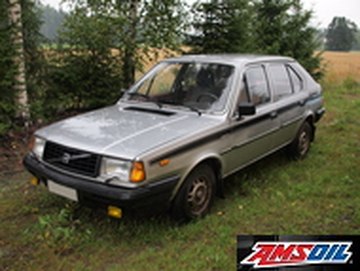
Maintaining Lubrication Integrity for the 1982 Volvo DL 2.1L
Proper engine maintenance is a cornerstone of long-term vehicle health, particularly when managing an older automotive platform. For the 1982 Volvo DL equipped with the 2.1L engine, consistent attention to lubrication systems and routine inspections can help ensure the mechanical components continue to operate as intended. Maintaining a clear understanding of fluid conditions and component integrity is essential for any owner looking to preserve the operational standard of this vehicle.
Monitoring Fluid Condition and Potential Seepage
One of the most effective ways to monitor the health of an engine is through regular visual inspections of the lubrication environment. Over time, various seals and gaskets may undergo changes due to heat cycles and age. Rather than assuming a component has failed, owners should look for evidence of seepage or active leaks around sealing surfaces.
When performing routine checks, pay close attention to the following areas:
- Sealing Surfaces: Inspect the areas where major engine components meet to check for any signs of oil residue or dampness.
- Drain Areas: Examine the area around the oil drain plug and the underside of the engine for any evidence of dripping or staining.
- External Components: Look for any fluid that may be accumulating on the exterior of the engine block or near accessory mounting points.
If you notice new signs of fluid presence, it warrants a closer investigation to determine if the seepage is active or merely old residue. Identifying these changes early allows for more controlled maintenance decisions.
Observing Operational Indicators
Beyond visual inspections of the engine exterior, how the vehicle behaves during operation can provide significant clues regarding its lubrication status. It is important to remember that various symptoms can have multiple underlying causes, so a single observation should be treated as a prompt for further investigation rather than a definitive diagnosis.
Owners should remain observant of several key indicators:
- Changes in Fluid Appearance: If the oil is checked via a dipstick, note any significant changes in color or texture that seem out of the ordinary.
- Unusual Noises: Any new mechanical sounds during startup or while the engine is running should be investigated to ensure all moving parts are receiving adequate lubrication.
- Exhaust Observations: While exhaust characteristics can be influenced by many factors, any sudden changes in smoke color or consistency may indicate that something requires attention within the combustion or lubrication environment.
- Warning Indicators: If the dashboard features any oil-related warning lights or indicators, these require immediate investigation to prevent potential mechanical issues.
By staying attuned to these subtle shifts, an owner can transition from reactive repairs to a more proactive maintenance approach.
Prioritizing Maintenance Through Documentation
For a vehicle of this age, establishing a clear history of service is one of the most practical steps an owner can take. If you are currently unaware of the full service history of the 1982 Volvo DL, your first priority should be to establish a maintenance baseline.
This process involves documenting every fluid change, filter replacement, and mechanical repair performed on the vehicle moving forward. Keeping a detailed log allows you to:
- Track Trends: Recognize if oil consumption or leakage is increasing over specific timeframes.
- Identify Patterns: See how the vehicle responds to different service intervals or lubricant types.
- Verify Consistency: Ensure that critical maintenance tasks are not being overlooked as the vehicle ages.
When records are incomplete, focus on addressing any active signs of wear or overdue service first. This helps stabilize the vehicle's condition before moving into a long-term preventive maintenance routine.
Managing Aging Engine Components
As vehicles age, the materials used in their construction—such as rubber, plastic, and various sealants—can change in flexibility and integrity. Maintenance for an older 1982 Volvo DL should be based on the actual current condition of these parts rather than just the number of years since manufacture.
If equipped, inspect accessible drive belts for signs of deterioration such as cracking, glazing, or fraying. Similarly, if the vehicle is equipped with various hoses, check them for excessive softness, hardening, or visible cracks. Electrical connections and wiring should also be inspected for any signs of brittleness or corrosion that could affect engine performance. By focusing on the physical state of these components, you can distinguish between parts that are simply old and those that actually require attention.
Effective Lubrication Strategies
The role of engine oil extends far beyond simple lubrication. It is a critical component in managing the internal environment of the 2.1L engine by helping to reduce friction and assisting in heat management. Furthermore, modern lubricant formulations are designed to help manage the accumulation of deposits and maintain cleanliness within the engine.
When considering different types of lubricants, it is helpful to understand the general categories available:
- Conventional Oils: These are standard mineral-based oils that have been used for decades.
- Synthetic and Synthetic Blends: These formulations often provide different levels of thermal stability and resistance to oxidation compared to conventional options.
- High-Mileage Formulations: Some high-mileage oil formulations contain additives intended for use in aging engines, including seal-conditioning additives that may help maintain the integrity of older gaskets.
Selecting the appropriate type depends on the specific needs of your engine and your driving habits. Always ensure that any lubricant you choose meets the necessary quality standards for modern operation.
Buying Engine Oil for your 1982 Volvo DL 2.1L
When you are ready to purchase new lubricant, the most important step is to match the product to the specific requirements of your engine. Because different engines have unique needs regarding thickness and additive packages, you should not rely on general automotive knowledge or assumptions based on the vehicle's age.
To ensure a correct match, please refer to the application-specific oil viscosity and lubricant information already displayed on this webpage. Before completing your purchase, verify that the product label clearly states it meets the appropriate API certification for your needs. Whether you choose a conventional, synthetic blend, or high-mileage formulation, always prioritize the specific viscosity and grade listed in the technical data provided above to ensure the continued health of your 1982 Volvo DL 2.1L.